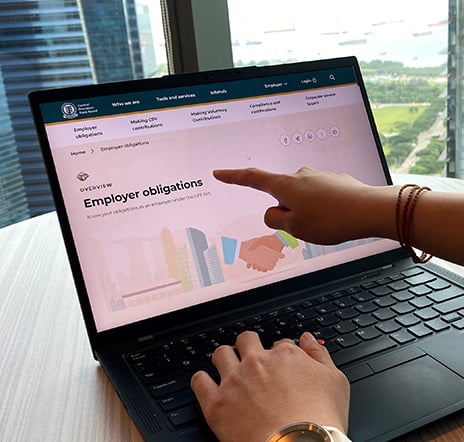
Many employers in Singapore are surprised to receive a Notice of Assessment (NOA) from SkillsFuture Singapore (SSG) claiming outstanding Skills Development Levy (SDL), especially when they have been consistently making payments through the Central Provident Fund (CPF) Board along with their monthly CPF contributions.
Does this situation sound familiar? In this article we’ll explain why these notices occur and what steps employers can take to resolve them.
Understanding How SDL works
Before diving into the reasons behind such notices, it is important to understand how SDL works. The SDL is mandated under the Skills Development Levy Act and is used to fund training and upskilling programs administered by SSG. It is a compulsory levy applicable to all employees working in Singapore.
The amount payable is based on an employee’s total wages for the calendar month, with:
- A minimum payable of SGD 2 (for employees earning less than SGD 800), and
- A cap of SGD 11.25 (for employees earning more than SGD 4,500).
Employers typically pay the SDL monthly, together with CPF contributions to the CPF Board, which acts as the collection agent.,. However, the CPF Board does not act as the collecting agent if a company does not have any employees who are subject to CPF contributions. Therefore, such companies are required to make SDL payments directly to SSG to avoid potential enforcement action.
SSG serves as the enforcement agency and conducts periodic reviews and audits based on employers’ payroll data and records.
Why is an NOA issued to some employers
Even when paying SDL via CPF, companies may still receive an NOA for various reasons:
1. Underreported wages or miscalculations
If the gross wages reported to CPF are lower than what SSG’s audits or systems indicate, the SDL collected may fall short of what is actually owed. Common errors include:
- Omitting variable payments like bonuses, commissions, or overtime.
- Misreporting basic salary figures.
2. Incomplete payment for certain employee categories
SDL applies to both Singaporean and foreign employees, including:
- Full-time staff
- Part-time or temporary workers
- Casual workers earning more than SGD 50 per month
Some employers mistakenly exclude part-time or ad-hoc staff, leading to SDL shortfalls.
3. Missed backdated payments or adjustments
If salary adjustments (e.g., bonuses or increments) are made retroactively but SDL is not recalculated for the relevant months, this can trigger an NOA.
4. Omission of SDL contributions
If your company sponsors work passes for foreigners and their salaries are not processed via Singapore payroll, then a mismatch in SDL contributions can occur.
5. Gaps in monthly CPF submissions
If your company missed CPF submissions for certain months or made late payments, SDL might not have been collected during those periods.
6. Discrepancies found in SSG audits
SSG may audit payroll records, tax filings, or request salary information during inspections. If discrepancies are found compared to CPF reports, SSG may issue an assessment to recover the shortfall.
How to respond to a Notice of Assessment from SSG
If you receive an NOA for SDL, here are the steps you should take:
1. Review the assessment carefully
- Check the amount, the periods involved, and any attached details or breakdowns.
- ompare these figures against your payroll and CPF submission records.
2. Verify your CPF SDL submissions
- Login to the CPF Employer Portal and retrieve your submission history.
- Ensure SDL was correctly calculated and submitted for each employee every month.
- Ensure the employees not on the Singapore payroll are also include for SDL purposes (e.g. via a shadow payroll)
3. Prepare supporting documentation
- Gather employee wage records, CPF returns, and proof of past payments.
- Reconcile these with the SSG notice.
4. Reach out to SSG
- If you believe the assessment is incorrect, contact SkillsFuture Singapore directly.
- Submit your documents to clarify discrepancies or request a reassessment.
5. Make payment if the Notice of Assessment is valid
If the assessment is valid, settle the outstanding SDL promptly to avoid further penalties or interest.
Best practices to avoid future issues
- Conduct monthly internal payroll checks to ensure pay elements are coded correctly for SDL and accurately calculated for all eligible employees
- Include all variable pay elements when calculating gross wages for SDL
- Run payroll using payroll software
- Ensure payroll software is updated to reflect the correct SDL rates and contribution caps
- Conduct formal and periodic training to payroll team members and stay updated of regulatory updates
While SDL is paid through CPF, SSG remains the ultimate authority for compliance and enforcement. A NOA doesn’t necessarily mean your company has done something wrong, but it does require prompt attention, thorough checking, and possibly some correction of past records.
By staying vigilant and adopting good payroll practices, employers can remain compliant and support Singapore’s upskilling efforts without disruptions.
How we can help
We help businesses assess their SDL compliance obligations, identify potential gaps and address issues before they become regulatory concerns. Our approach is practical and focused on helping employers manage payroll compliance requirements with confidence.
Typical support areas include:
- SDL (or holistic payroll) compliance reviews
- Identification of SDL reporting gaps and underpayments
- Support with SSG Notices of Assessment
- Payroll process and controls reviews
- Payroll processing support